Booking choice: The silent hybrid-electric boat, from $213 per person. Check dates Tour details
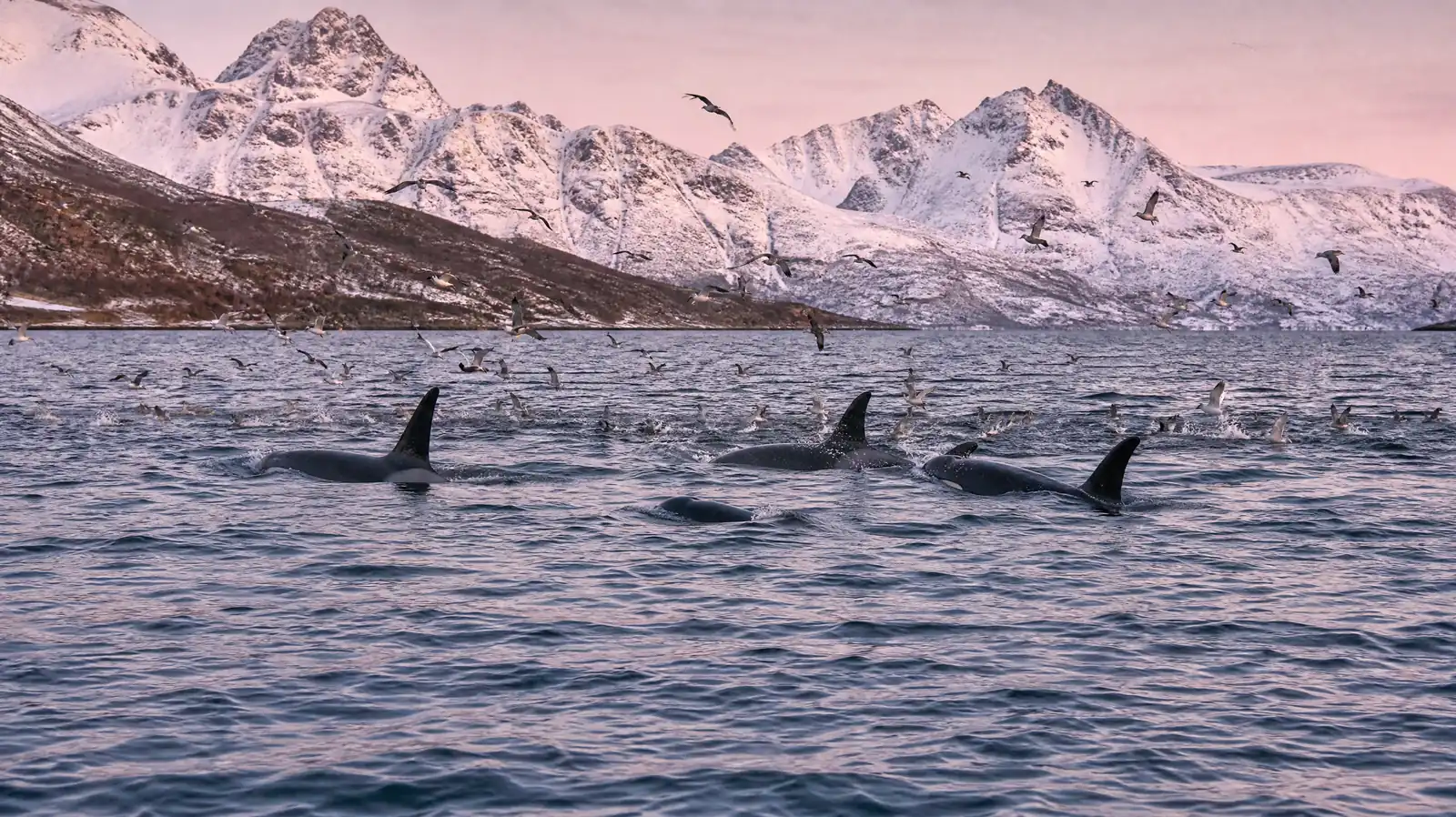
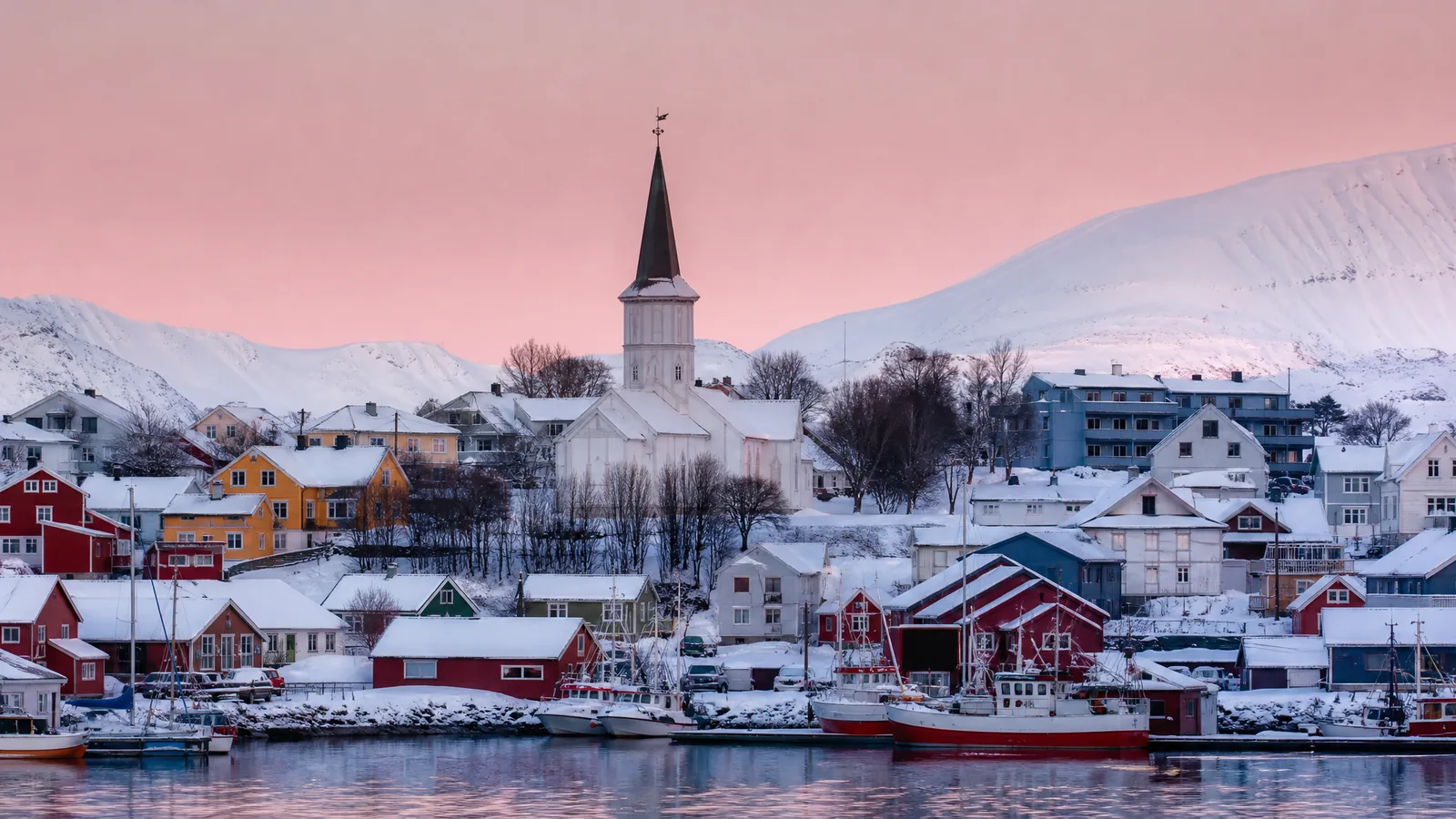
Each winter the fjords around Skjervøy fill with orcas, humpbacks, herring boats, RIBs, catamarans and, until recently, snorkellers. An academic study published in 2025 described Skjervøy as "a crowded tourism space" (Hale, 2025). Norway answered with a short regulation in 2019, and Visit Tromsø with a far more detailed set of voluntary guidelines.
This guide explains both, what good practice looks like from the deck, and how to pick an operator that follows it. This site does not list snorkelling or swim-with-orcas tours.
The quick answer
Norway's 2019 regulation bans whale safari that disturbs whales and keeps whale boats at least 370 m from fishing boats and their gear. The working rules are Visit Tromsø's guidelines: under 5 knots within 300 m, three boats at most on one group, 30 minutes each when boats queue, and no swimming with whales. Choose a boat whose guides explain those rules before you reach the whales.
What are Norway's whale watching rules?
A 2019 regulation bans whale safari that disturbs whales and keeps whale boats at least 0.2 nautical miles, about 370 m, from fishing vessels and set gear.
The regulation on whale safari (Forskrift om utøvelse av hvalsafari) was adopted on 5 December 2019 by the Ministry of Trade, Industry and Fisheries, after several episodes of irresponsible behaviour by whale watchers (IWC handbook). It is short:
| Section | What it says |
|---|---|
| Purpose (§1) | Whale safari must be safe, sustainable and gentle, and must not disturb the animals |
| Scope (§2) | All activity to watch whales, including swimming, diving and paddling |
| General ban (§3) | Whale safari is prohibited if it disturbs whales in their natural habitat |
| Distance (§4) | Boats at least 0.2 nm (370 m) from fishing vessels and set gear; swimmers, divers and paddlers 0.4 nm (740 m) |
| Enforcement (§7, §8) | Administrative fines and penalties under the Marine Resources Act |
Most of the detail is about fishing, because whale boats and the herring fleet work the same water and the whales feed around the nets. Guests notice when boats ignore it. One wrote of a January 2026 day at Skjervøy: "Several of the other boats got very close to a fishing boat in order to get a closer view of a humpback whale which is against the rules." The law says nothing about speeds or distances to the whales themselves. The guidelines do.
What do the whale watching guidelines say?
Under 5 knots within 300 m, approach from the side and slightly behind, three boats at most on one group, and leave resting or stressed whales alone.
Three sets of guidelines have been written in northern Norway: Ocean Sounds, Visit Tromsø and NorWhale. In November 2021 the municipality where most winter whale watching happens asked every operator to follow the Visit Tromsø version (IWC). Its main points:
| Topic | Guideline |
|---|---|
| Speed | Under 5 knots within 300 m; minimum speed from 100 m; idle from 50 m |
| Approach | From the side and slightly behind, parallel to the whales; never head-on, from directly behind or across their path |
| Boats per group | Three at most; others wait more than 500 m away |
| Time | 30 minutes per group when there are more boats than groups |
| Engine | Neutral when a whale approaches; no sudden acceleration, gear changes or reversing; sonar off near feeding whales |
| Trip length | No more than 3 hours on the water, for the short daylight and the cold |
| Behaviour | Don't encircle, block, attract, feed or touch whales; leave if they change speed or direction often, or dive long |
| Fleet | Fill boats and use larger vessels, so fewer boats are on the water |
These are voluntary. Visit Tromsø calls them best practice and says they may be improved over time. In practice they are the standard good operators quote in their briefings, and the one to measure a skipper by.
Why is snorkelling with orcas discouraged?
Feeding whales can hit people in the water, the winter sea is dangerous, and in-water trips crowd the whales and other boats.
Visit Tromsø discourages all in-water activity with whales, and Ocean Sounds does the same. NorWhale regulates snorkelling with orcas in winter and discourages diving and swimming. The reasons Visit Tromsø gives:
- Collisions. Orcas and humpbacks feeding on the same herring move fast and may not notice a person; "Persons in the water during these events are at risk of collision with fast-moving whales."
- Feeding. People in the water cut into the whales' foraging, which is the reason they are in the fjords at all.
- The sea. Cold water, poor visibility and fast-changing weather.
- Traffic. Boats placing swimmers in the whales' path disturb the animals and block other boats; only one boat should work a group with people in the water, against three for watching from deck.
The 2019 regulation also keeps swimmers twice as far from fishing boats and nets as whale boats. We think the case is clear, and none of the tours on this site put guests in the water.
How can you tell a careful operator from a careless one?
Watch what the boat does near the whales: a slow approach, neutral when they come close, no chasing, and leaving a resting group alone.
You can see most of the guidelines from the deck. A quick checklist:
| Good sign | Warning sign |
|---|---|
| Slows down well before the whales | Runs at speed right up to a pod |
| Approaches from the side and runs parallel | Cuts across the whales' path or heads straight at them |
| Goes into neutral when a whale comes close | Revs, reverses or chases a whale that dives |
| Waits its turn at a distance | A fourth or fifth boat crowding one group |
| Leaves resting whales alone | Circles a group or blocks it in |
| Keeps clear of fishing boats and nets | Squeezes in beside a herring boat for a better view |
Guests who got it right say so. On MS Alba: "when the animals were resting (you could see that from their behavior), we left them alone and sailed back." On the Skjervøy RIB day, the skipper "would not approach the whales if he felt there was too many boats around them and said he didn't want to create stress on the whales." On the heated boat: "the captain is really respectful of distance and engine use."
Before you book, read a few recent reviews for words like distance, respect and chasing, and check whether the listing mentions the guidelines. MS Alba sells itself as a responsible cruise with a wildlife guide; Skua Nature's heated boat says it follows ethical guidelines. Those are claims, but specific ones.
Are big boats or RIBs better for the whales?
Neither by default. Fewer, fuller boats mean less traffic, and a quiet engine and a careful skipper matter more than the hull.
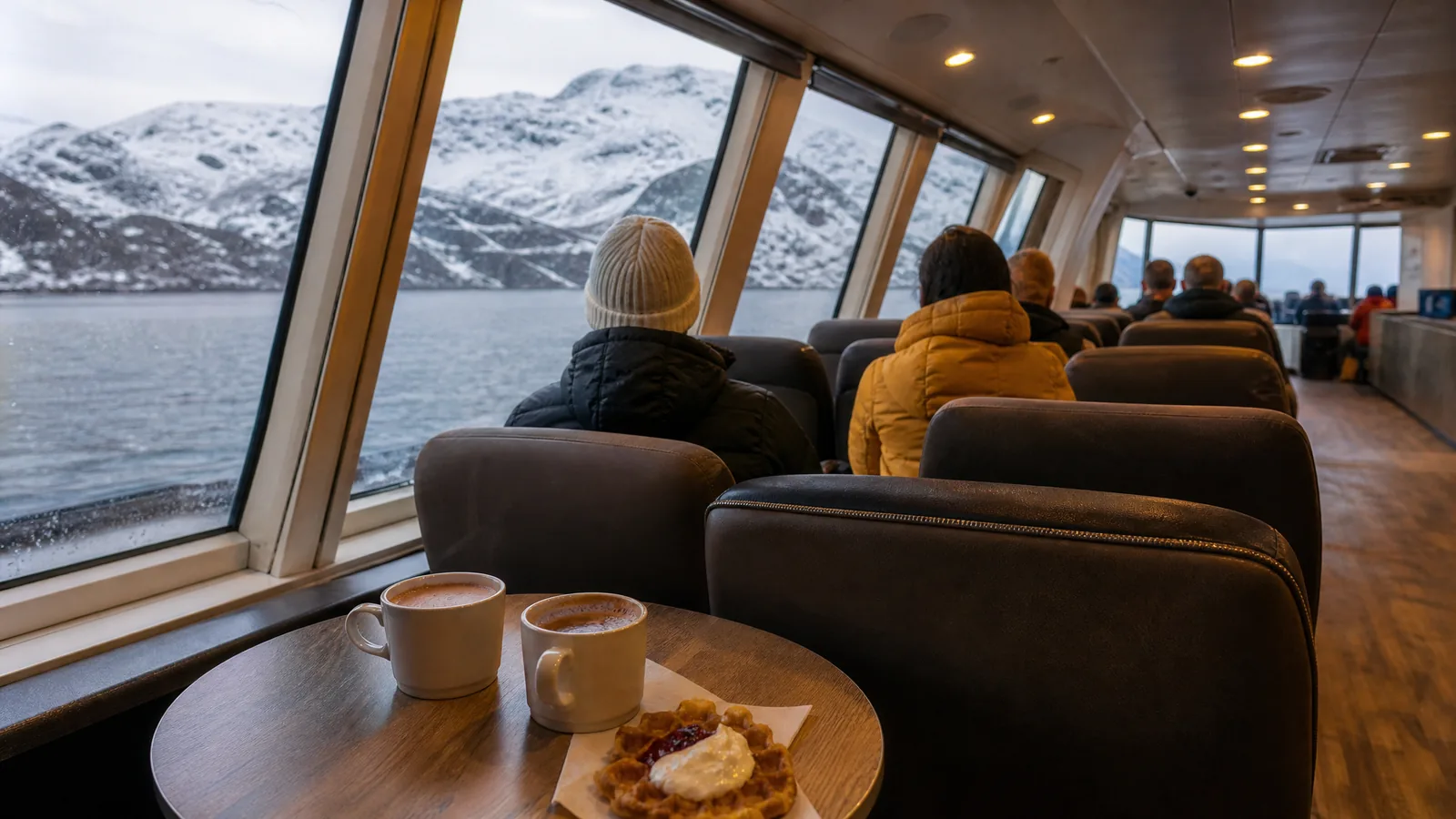
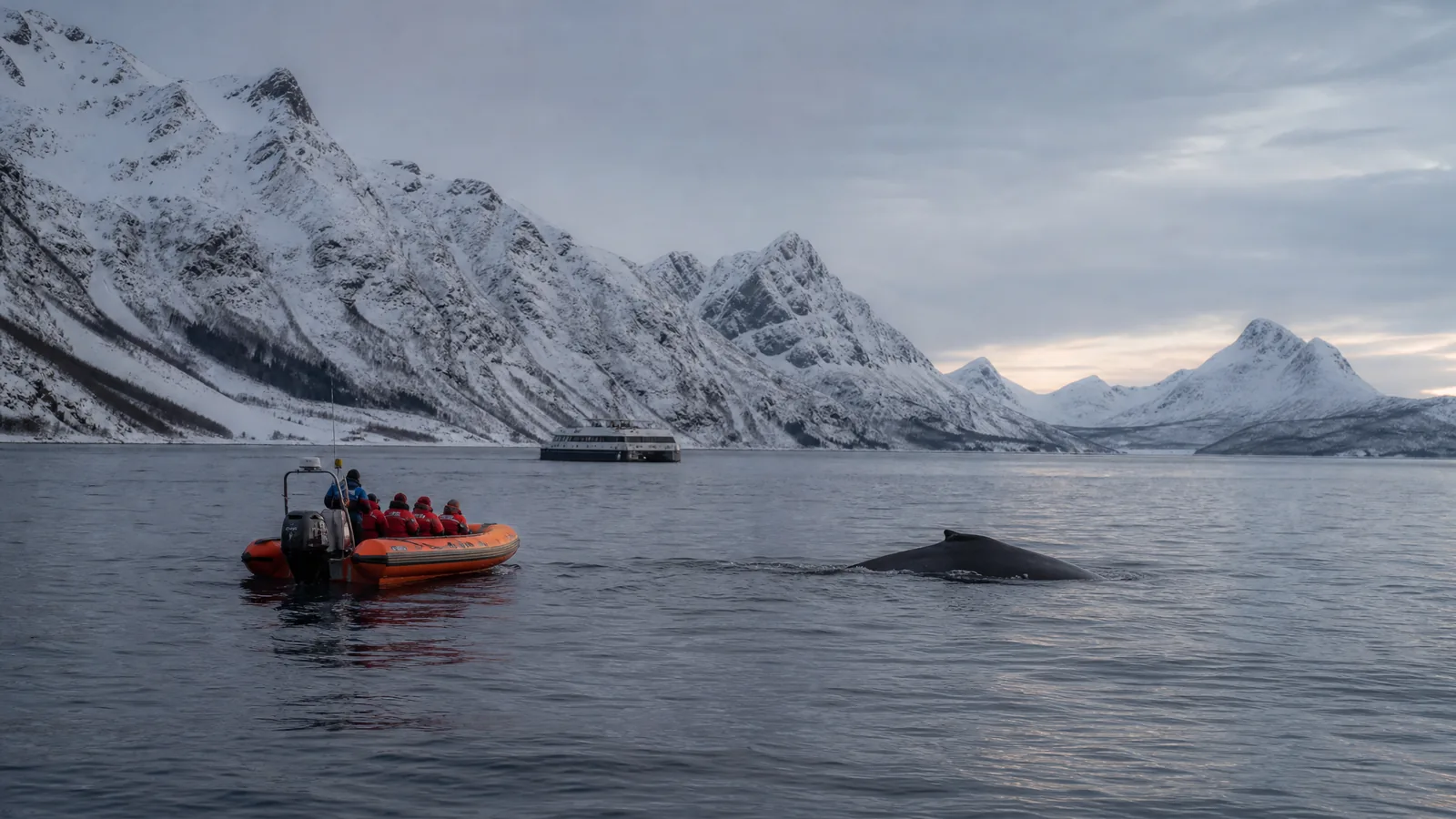
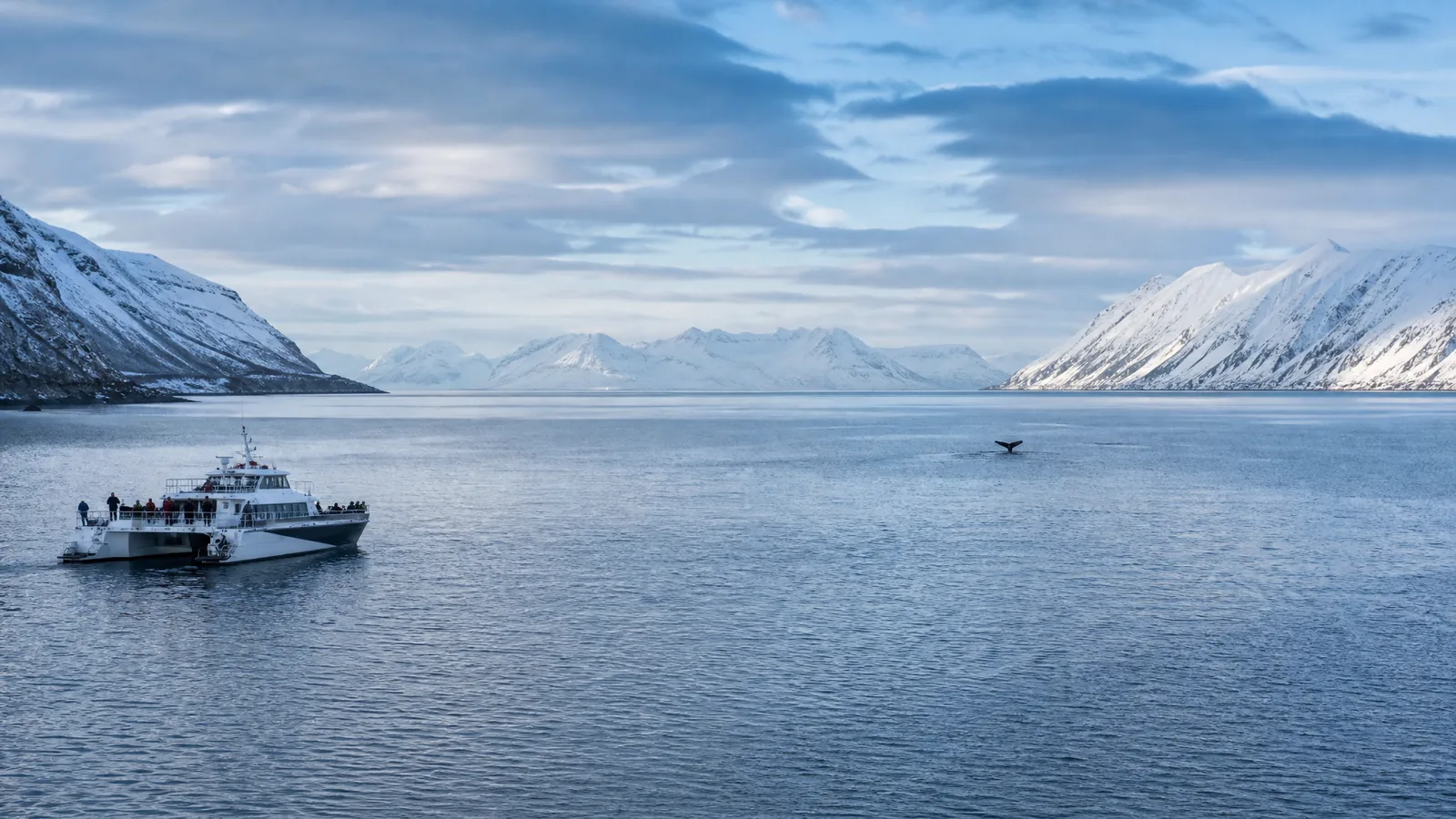
The guidelines themselves favour big boats on one point: fill them and use larger vessels, so fewer boats crowd each group. A catamaran with 100 guests puts one hull near the whales; the same 100 guests in RIBs would put eight or nine. Noise is the other point. Brim Explorer's hybrid boats switch to electric drive near the whales, and the silent whale watching listing describes it as a way to reduce "noise and disturbance for you and the whales".
RIBs are not careless by nature. Reviews of the Skjervøy RIB day keep mentioning a skipper who showed guests the whales "without chasing them". One guest on a covered boat saw it differently that day: "the rib boats get much closer to the whales but that was visibly stressing them out". The skipper matters more than the boat type, which is why reviews are worth reading. Our guide to RIB or catamaran weighs up the rest.
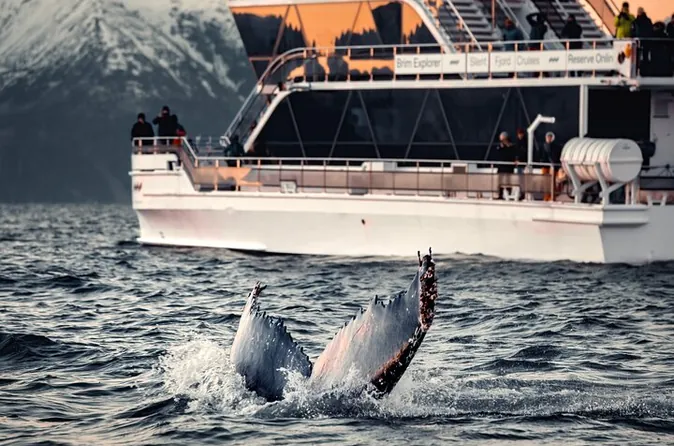
The quietest approach on offer: Brim Explorer's hybrid boats switch to electric drive near the whales, with three outdoor decks for watching.
Check dates Tour detailsWhat can you do as a guest?
Pick an operator that follows the guidelines, keep noise down near the whales, leave the drone at home, and share your orca photos with researchers.
- Choose the operator, not just the price. Look for the guidelines in the listing and for words like distance and respect in recent reviews.
- Don't push for closer. The whales often come to the boat on their own. Asking the skipper to chase them is asking for a breach of the guidelines.
- Keep it quiet on deck when the boat is idle near the whales.
- No drones. The catamaran and the Skjervøy RIB both ban them on board.
- Share your photos. The guidelines ask operators to help researchers and guests to share observations. The Norwegian Orca Survey collects public photos of orcas to identify individuals and follow their movements over time.
- Be wary of guarantees. A 95% or 99% sighting rate is an operator's claim, and a boat chasing a number has a reason to crowd the whales.
Timing helps too. Mid-season, when the whales are settled and spread out, boats have more room. Our season guide explains when that is.
Frequently asked questions
Is whale watching in Tromsø ethical?
It can be. The whales are wild and feeding, not fed or baited, and the Visit Tromsø guidelines are sound. The risk is crowding, with too many boats on one group. Choose an operator that follows the guidelines and the experience is good for you and gentle on the whales.
Can you swim or snorkel with orcas near Tromsø?
Some operators have offered it, but Visit Tromsø discourages all in-water activity with whales, and the 2019 regulation keeps swimmers 740 m from fishing boats and their gear. This site does not list snorkelling tours.
How close can boats get to whales in Norway?
Norwegian law sets no fixed minimum distance to whales; it bans disturbing them. The guidelines ask boats to slow below 5 knots within 300 m, keep to minimum speed from 100 m and idle from 50 m, and let the whales come closer on their own.
Can I fly a drone on a whale watching trip?
Not on the high-speed catamaran or the Skjervøy RIB day, which both ban drones on board. Leave it at the hotel.
Ready to book
Choose your boat
Free cancellation up to 24 hours before on every option. Prices are from-prices in USD and move with the season.
Silent Whale Watching by Hybrid-Electric Boat
- 7 to 9 hours return from Tromsø, depending on the whales
- Electric drive near the whales, less noise
- Heated saloons with panoramic windows
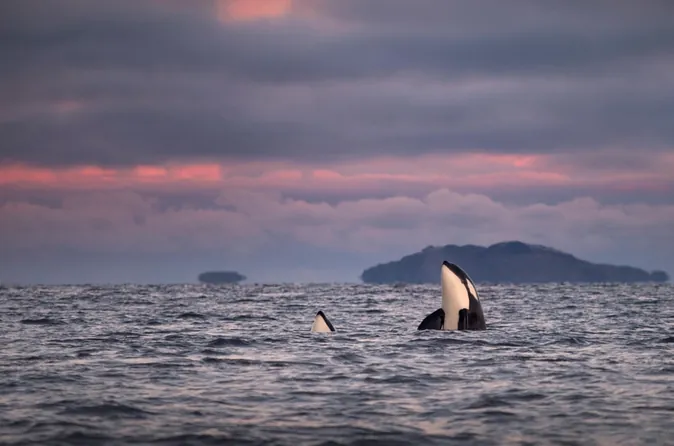
Responsible Whale Watching Cruise on MS Alba
A calmer, guide-led cruise with a Whale Pass
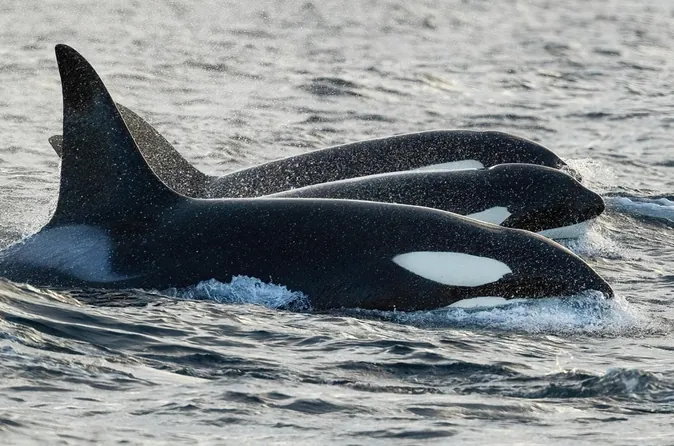
Orca & Whale Watching on a Heated Boat
Small covered boat at Skjervøy, no flotation suit needed